How AI Automation For B2B is transforming modern business operations
Wiki Article
Change Your Organization: How AI Automation Is Transforming B2B Operations
AI automation is reshaping B2B operations in substantial means. Companies are embracing this modern technology to improve operations and boost effectiveness. As jobs become automated, businesses can concentrate on strategic growth as opposed to ordinary procedures. The implications of these adjustments are profound, influencing every little thing from client communications to provide chain management. Understanding this makeover is essential, as the future of business rest on the efficient assimilation of AI into everyday procedures. What lies ahead in this advancing landscape?Recognizing AI Automation in B2B Context
As services progressively seek performance, understanding AI automation within the B2B context becomes essential. AI automation refers to the application of expert system modern technologies to improve and streamline business processes. In B2B atmospheres, this can materialize in different types, such as automating information entry, maximizing supply chain logistics, or improving stock administration. Organizations leveraging AI automation can lower operational prices, decrease human mistake, and boost productivity. Additionally, AI devices can assess huge amounts of data to provide actionable insights, allowing informed decision-making. AI Automation For B2B. The integration of AI right into B2B procedures not only transforms typical process yet also cultivates dexterity and scalability, allowing services to adjust to market changes swiftly and efficiently. Embracing this innovation is crucial for remaining competitive in today's electronic landscapeEnhancing Client Experience Through AI
Exactly how can AI transform client interactions in the B2B industry? AI improves client experience by offering personalized, prompt, and efficient solution. Digital assistants and intelligent chatbots can handle queries 24/7, making sure customers get prompt actions. Growth Systems For B2B. Predictive analytics make it possible for businesses to prepare for consumer demands, customizing offerings appropriately. AI-driven platforms can evaluate client information, permitting targeted advertising strategies and boosted involvement. In addition, belief analysis devices examine customer feedback, aiding organizations fine-tune their solutions. By automating regular tasks, AI maximizes human resources to focus on high-value interactions, fostering more powerful connections. The combination of AI not just improves communication yet likewise develops count on and loyalty, inevitably elevating the total consumer experience in the affordable B2B landscape
Enhancing Supply Chain Management With AI
AI plays a crucial duty in optimizing supply chain management with predictive analytics and automated inventory control. By leveraging predictive analytics, organizations can anticipate need variations and adjust their operations appropriately. Automated inventory systems additionally improve effectiveness by making sure stock degrees are preserved, reducing waste and boosting overall performance.Anticipating Analytics Benefits
While many businesses deal with difficulties in managing intricate supply chains, anticipating analytics offers a transformative solution by leveraging large quantities of data to anticipate patterns and maximize operations. By analyzing historic data along with real-time inputs, predictive analytics allows firms to identify patterns and prepare for future demands. This insight permits for even more informed decision-making, improving efficiency and minimizing costs. Additionally, businesses can proactively attend to prospective disturbances by anticipating supply chain traffic jams and changing strategies as necessary. The assimilation of anticipating analytics not only enhances inventory administration yet also cultivates more powerful relationships with suppliers and customers through timely responses to market shifts. Eventually, the fostering of predictive analytics encourages companies to stay affordable in a progressively vibrant organization environment.Automated Inventory Control
As companies increasingly rely upon anticipating analytics to maximize supply chain operations, automated supply control becomes an effective ally in this initiative. By leveraging AI-driven technologies, business can improve precision in stock monitoring, reduce stockouts, and minimize excess supply. Automated systems assess real-time information, allowing companies to anticipate demand changes and readjust supply levels as necessary. This not just simplifies order gratification however also boosts cash money circulation monitoring by lowering holding expenses. Additionally, AI can identify patterns in purchasing behavior, making it possible for even more educated decision-making pertaining to distributor partnerships and procurement strategies. Eventually, automated inventory control not only increases functional performance but additionally enhances consumer satisfaction by guaranteeing item schedule, solidifying its duty as a crucial component in modern-day supply chain monitoring.Data-Driven Choice Making Powered by AI
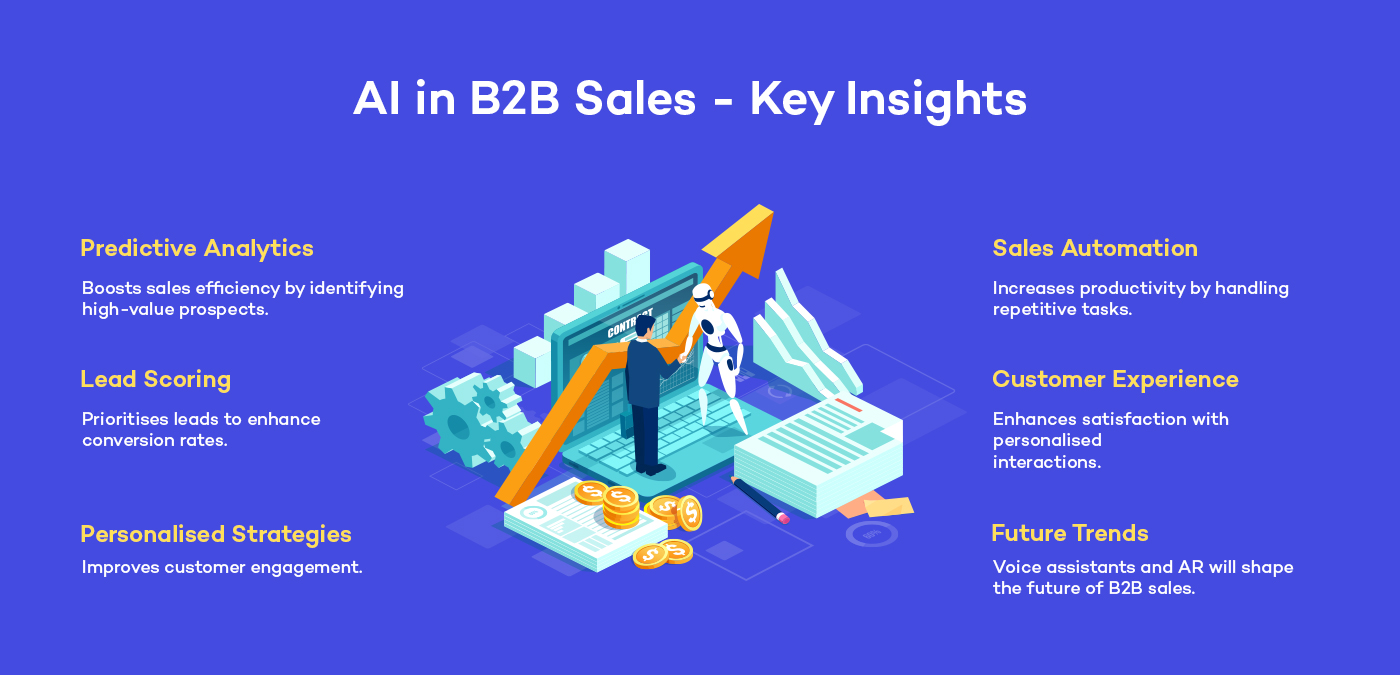
In today's competitive landscape, companies significantly count on data-driven decision-making to improve functional performance and calculated preparation. Expert system plays an essential duty in this improvement by analyzing substantial quantities of data promptly and precisely. AI algorithms determine patterns, trends, and abnormalities that human analysts could neglect, allowing companies to make enlightened decisions based upon real-time insights. This ability permits firms to predict market shifts, maximize source appropriation, and tailor their offerings to client requirements. Additionally, AI-driven analytics assist in risk evaluation and management, making certain that organizations can navigate unpredictabilities effectively. By leveraging these sophisticated devices, services not just boost their decision-making processes yet also gain a competitive benefit in their corresponding markets, fostering growth and technology.Automating Repetitive Tasks to Boost Efficiency
Integrating AI With Existing Company Procedures
When integrating AI with existing company procedures, several companies deal with obstacles. These obstacles commonly stem from a lack of recognizing concerning exactly how AI can match present operations. Successful integration requires a detailed assessment of existing procedures to recognize areas where AI can add value. Organizations needs to likewise ensure that their groups are furnished with the necessary skills advice to leverage AI devices successfully. In enhancement, smooth combination pivots on the compatibility of AI innovations with tradition systems. Business usually find it valuable to take on a phased strategy, piloting AI applications in certain divisions before a wider rollout. This method permits adjustments based upon first feedback, guaranteeing smoother changes and taking full advantage of the prospective benefits of AI automation in enhancing productivity and performance.Future Patterns in AI Automation for B2B Firms
As B2B business want to the future, boosted information analytics is established to play a critical role in driving decision-making procedures. Intelligent process automation will certainly additionally become a crucial trend, enhancing and improving procedures effectiveness. These improvements assure to improve how services operate, inevitably resulting in even more nimble and responsive organizations.Boosted Information Analytics
While companies increasingly depend on data-driven decisions, the duty of AI in improving information analytics is becoming a lot more important in B2B procedures. AI modern technologies assist in the collection and evaluation of large datasets, enabling firms to reveal important understandings that drive tactical planning. Predictive analytics powered by AI enables companies to anticipate market trends and client habits with higher accuracy. Additionally, artificial intelligence algorithms improve information interpretation, recognizing patterns that human experts might forget. This leads to more educated decision-making and optimized resource allowance - Minarik AI. As B2B business remain to accept AI-driven analytics, they can expect better operational effectiveness, boosted consumer experiences, and an one-upmanship on the market. The future of data analytics in B2B rests on incorporating sophisticated AI capacitiesSmart Process Automation
Intelligent Process Automation (IPA) is positioned to reinvent B2B operations by flawlessly incorporating AI innovations with traditional service processes. This innovative method incorporates robot process automation (RPA) with sophisticated AI capacities, allowing companies to enhance effectiveness and precision. Business can automate repeated jobs, such as data access and billing processing, allowing workers to concentrate on strategic efforts. IPA additionally leverages artificial intelligence and natural language processing, boosting decision-making via real-time information analysis. As companies significantly embrace IPA, they can anticipate considerable cost reductions and improved customer experiences. Future patterns show an expanding dependence on IPA for scalability and flexibility, placing companies to thrive in an ever-evolving marketplace. Accepting IPA will be essential for preserving competitiveness in the digital age.Frequently Asked Concerns
What Industries Benefit A Lot Of From AI Automation in B2B Procedures?
Production, logistics, money, and medical care sectors profit most from AI automation in B2B procedures. These fields utilize automation to boost performance, lower prices, simplify procedures, and enhance decision-making through anticipating analytics and data-driven insights.Exactly How Can Small Companies Apply AI Automation Properly?
Small organizations can apply AI automation properly by recognizing repeated tasks, selecting ideal devices, incorporating options slowly, educating team, and constantly examining performance to optimize procedures, optimizing and making sure a smooth changeover efficiency. Growth Systems For B2B.What Are the Expenses Connected With AI Automation Implementation?
The prices related to AI automation implementation generally consist of software application procurement, facilities upgrades, training personnel, ongoing upkeep, and possible examination costs. These expenses can differ significantly based on the scale and complexity of the automation remedies selected.Just how Do I Measure ROI From AI Automation Initiatives?
To gauge ROI from AI automation efforts, one need to evaluate expense financial savings, productivity renovations, and profits development versus implementation costs. Tracking key efficiency indicators in time offers beneficial insights right into performance and overall return on investment.
What Skills Are Needed to Handle AI Automation Projects?
Reliable management of AI automation projects requires skills in job administration, information evaluation, shows, and recognizing AI innovations. In addition, strong communication, problem-solving abilities, and versatility are necessary for steering the intricacies of such initiatives.As companies progressively seek efficiency, understanding AI automation within the B2B context ends up being important. The assimilation of AI right into B2B procedures not just changes typical operations however also promotes dexterity and scalability, enabling companies to adjust to market modifications promptly and successfully. While organizations increasingly count on data-driven choices, the duty of AI in improving information analytics is ending up being much more crucial in B2B procedures. Intelligent Refine Automation (IPA) is poised to change B2B operations by flawlessly integrating AI modern technologies with standard company processes. Effective monitoring of AI automation jobs requires abilities in job management, information evaluation, programs, and recognizing AI modern technologies.
Report this wiki page